

Adapted from the October 2025 PREP Newsletter
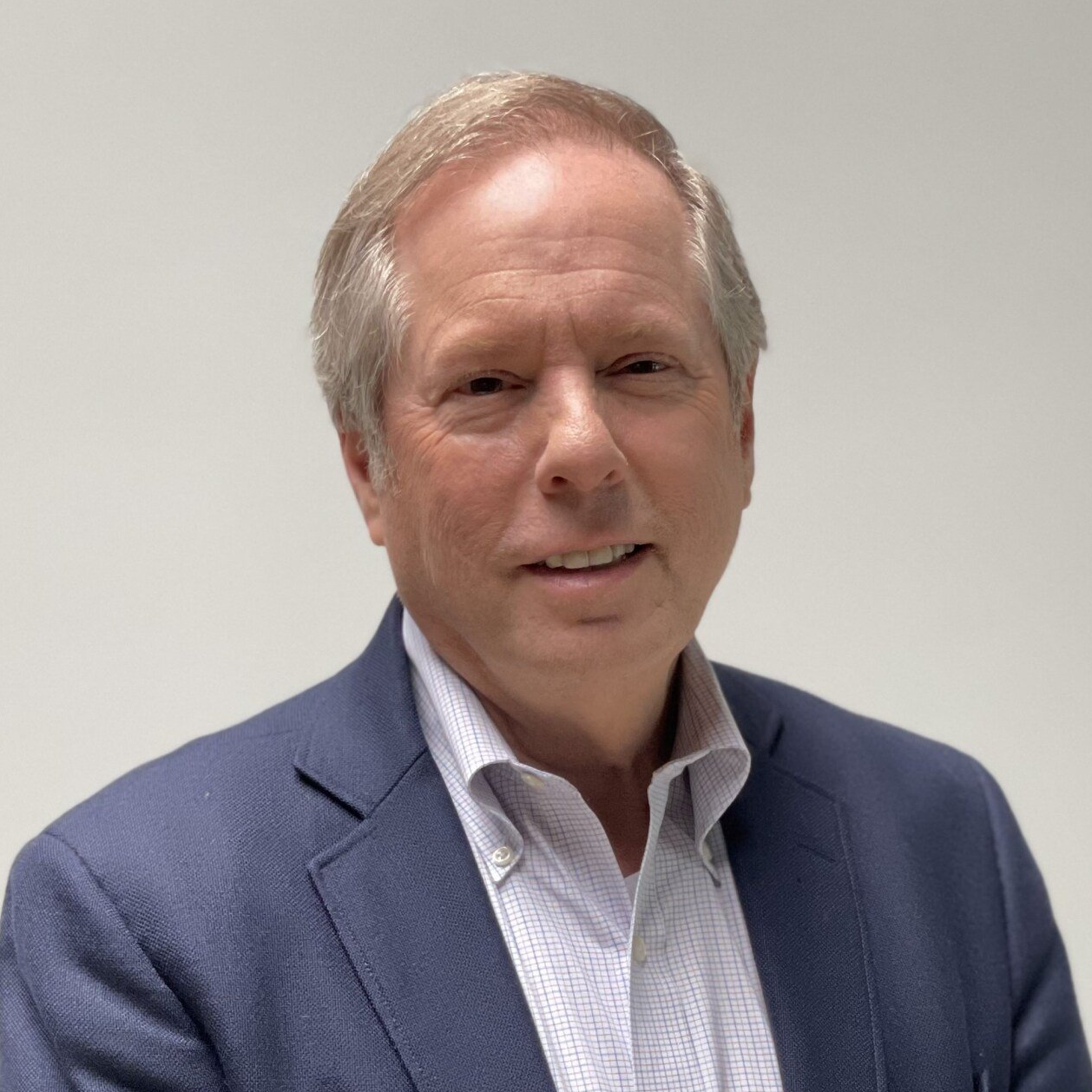
I am often asked to speak at real estate industry conferences and events, and most recently it was on the topic of Generational Wealth. For those who know me, you know that this is a subject very close to my heart. It’s not just an abstract concept; it has shaped my family’s journey, and just as importantly, it helped mold the foundation of PREP and is one of the philosophies that has guided our firm for decades.
My father, Philip R. Steinberg, grew up with very little in Brooklyn. There were times when he came home from school and found that he and his widowed mother, Sarah, had been literally thrown out onto the street because they couldn’t pay their rent. He fought his way forward by receiving a City College education and entered the accounting profession. As a child, I remember hearing him say: “As an accountant, I can only make as much money as the pencil can push. The only way to build real wealth is to make money while you’re sleeping.”
That insight led him into real estate, where he put together a syndication along with several friends and clients - technically the predecessor for PREP (although it was known as Park Row South Realty back then) - and they acquired property in lower Manhattan during the 1970s.
The original World Trade Center had just been built, and everyone wanted to be located in those gleaming new towers. This meant that many of the offices nearby emptied out, and owners were desperate to sell. That’s where my father saw an opportunity. One of his accounting clients, Emil’s Restaurant, was located on Park Row, so he knew the area very well. In 1970, he convinced a few friends and clients to join him as investors, and they net-leased one of those empty buildings - 34 Park Row - at a very low price. He figured, if he could bring tenants back in, the six-story property would eventually generate steady income. And he was right.
By 1976, the bicentennial year, he and his group purchased 34 Park Row, as well as a three-story building next door, 33 Park Row. Right before the 34 Park Row closing, the seller had asked, “Would you like to purchase the building next door as well?” My father asked, “How much?” The answer: $100,000. And that building already had a paying tenant; a ‘little’ record store called J&R Music World.
My mother was reluctant: “What are you doing? You’re already very deep in debt.” And my father replied, “If I’m already in debt, what’s a little more?” So he syndicated again to aggregate some of the down payment and moved forward with the purchase. Both 34 and 33 Park Row, with J&R as a tenant, became a cornerstone of our family’s future.
But, as we all know, life doesn’t always go as planned. The very next year, my father was diagnosed with cancer, and he passed away at the young age of 53. My mother, a schoolteacher, suddenly inherited these buildings. She hired a property manager, and for 10 years, the properties were managed, but as it turns out they were actually mismanaged and not profitable.
Meanwhile, still hurting because of the loss of my father, I wanted nothing to do with his real estate. I was a Wall Street commodity trader with an MBA, and I was on my own path. But then came 1987 - the stock market crash - and I saw an opportunity to go out on my own. My mother said, “Why don’t you take an office in one of our buildings downtown?” So I did. When I asked her how the property was doing, she said: “The expenses are high, the rents are low and there’s not much left over.” I told her, "Something is not right, fire the manager and let me try managing the buildings for six months. I’ll step away from trading and see if I can do better.”
I enrolled at New York University, studied property management, and started managing the buildings. After making both buildings profitable, first for my mother and then for us both (and having fun doing it!) I established my own syndication and started buying a few small office buildings on Long Island and began growing the real estate portfolio.
But then came another turning point. Our largest long-term tenant, J&R Music World, announced they were closing in 2014, after 43 years of being in business. I was stunned. Overnight, most of our rental income disappeared. At first, I thought it was a disaster. But I then noticed that the market had shifted. Suddenly, everyone wanted to live in Lower Manhattan. Developers were hungry for land.
Many developers approached us about buying the property. My mother and I had a decision to make...and we decided to sell. We sold at the peak of the market and we turned what looked like a setback into an opportunity.
And here’s where the lesson of generational wealth comes in. We used a 1031 exchange – one of the most powerful tools available to American investors. When you pair it with depreciation and accelerated depreciation, you have the formula for building wealth without losing much of it to taxes. We sold our Manhattan properties at peak value and reinvested in multifamily properties across the U.S. By combining 1031 exchanges with the benefits of depreciation, we have been able to grow while preserving capital for the long term.
Why not continue to invest in New York? Because cap rates were 2.5%, while interest rates were 4%. That math doesn’t work. Instead, we shifted into multifamily nationwide – just before COVID. That timing was a blessing.
Today, our focus remains on multifamily properties nationwide. While interest rates remain elevated, perspective matters. My first deal in 1985 carried a variable 12% interest rate – and it still worked. Rates do not define success. Discipline, patience, and buying right is the right recipe for success.
That first investment property I bought on my own in 1985, was for $335,000 with $85,000 down, I then rolled the profits into a Long Island office building, which then rolled into an Atlanta multifamily, which today is 100 units strong. That’s the power of patience and 1031 exchanges.
And that’s really the secret. Real estate isn’t about quick wins. It’s about buying smart, holding until the time is right, and never panicking. Don’t take the cake out of the oven before it’s baked. If the market is down, don’t sell. Keep renting it, keep collecting cash flow, and wait until the market turns. Good real estate (and even bad real estate) generally increases in value, just given the time.
What message can I leave you with? My last name is Steinberg. It’s not Carnegie, it’s not Rockefeller, it’s not Roosevelt, it’s not Trump. My father was poor. My grandfather was poorer. How did we change that story? Education and real estate. Education breaks the cycle of poverty. No matter a child’s background, race, or circumstances - education is the key out. And real estate - bought smart, held patiently, exchanged wisely – is the key to building wealth that lasts for generations.
So don’t be afraid of rates. Don’t be afraid of recessions. Don’t stop buying. Buy smart. Sell only when the time is right. Be patient. And always think long-term.
This quarter, as always, we remain committed to the principles that have guided our family for generations:
Education and knowledge - the key to breaking cycles and making sound decisions.
Real estate as a long-term asset class - bought wisely, managed carefully, and held with patience.
Generational wealth creation - not through speculation, but through consistency and resilience.
Markets will shift. Rates will rise and fall. Recessions will come and go. But our conviction remains the same: wealth is built by thinking long term, staying disciplined, and never selling before the time is right.
My father’s timing and perseverance gave our family its start in real estate. Over the decades, I discovered what my father had always known: real estate is not about quick wins. It is about discipline, patience, and timing.
Thank you for your continued trust and partnership. Together, we remain focused on the long view – choosing patience, resilience, and growth that lasts for generations.